By Dinh Tien Tai
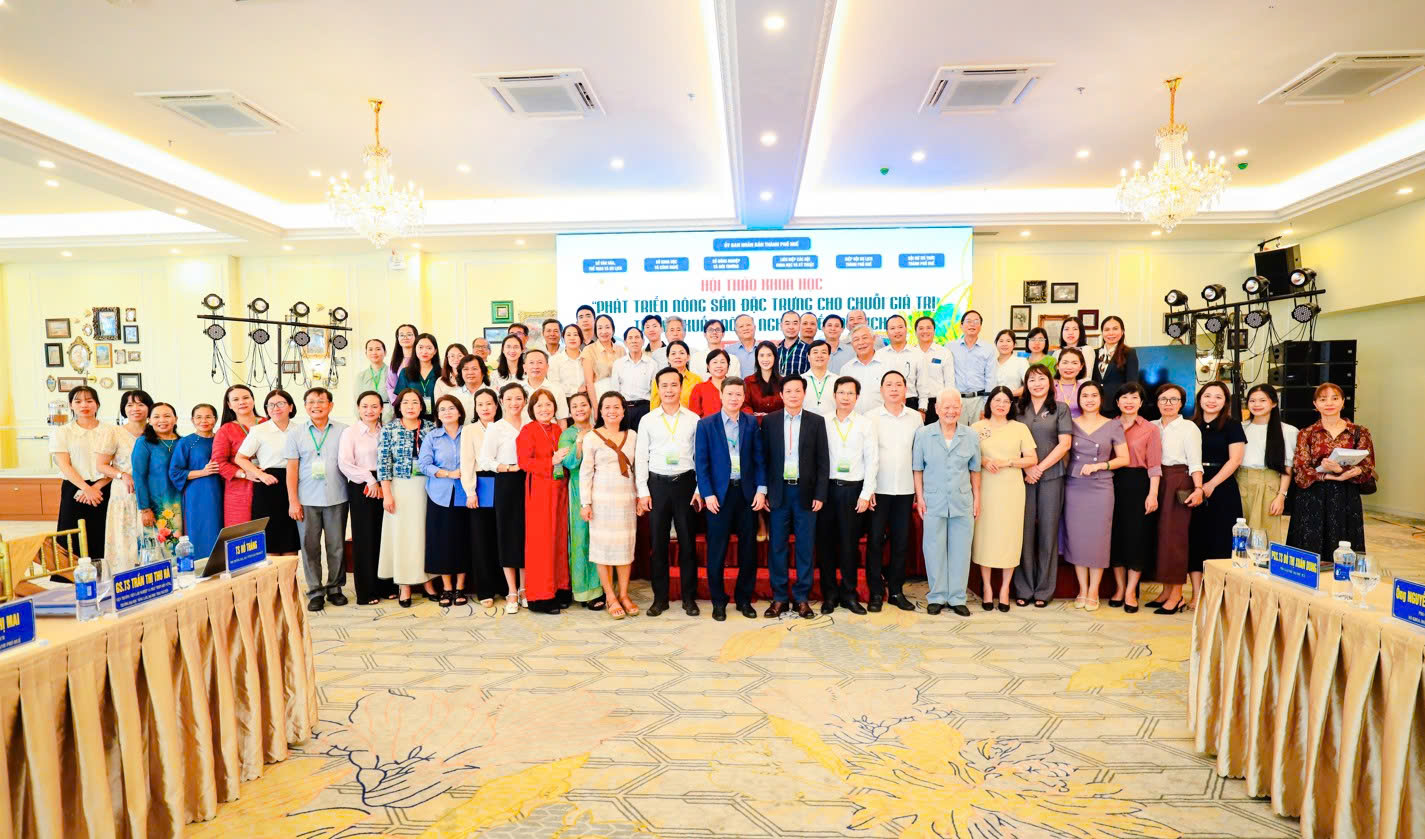
On the morning of November 17, 2026, in Hue City, the Hue Union of Science and Technology Associations (HUSTA), in coordination with the Department of Agriculture and Environment, the Department of Culture, Sports and Tourism, the Department of Science and Technology, the Hue Tourism Association, and the Hue Association of Intellectual Women, organized a scientific conference themed “Developing Specialty Agricultural Products for the Value Chain from Agricultural Production to Tourism”. The event received 38 research papers from over 100 scientists and drew more than 120 delegates, including experts, researchers, policymakers, and representatives from research institutes, universities, businesses, and cooperatives.
Attending the conference were Ms. Nguyen Thi Ai Van, Member of the Standing Committee of the Hue City Party Committee and Standing Vice Chairwoman of the Vietnam Fatherland Front Committee of Hue City; Dr. Ho Thang, Deputy Head of the Hue City Party Committee’s Propaganda and Mass Mobilization Commission; Mr. Dinh Manh Thang, Chairman of the Hue Tourism Association; Assoc. Prof. Dr. Do Thi Xuan Dung, Vice President of Hue University; Dr. Nguyen Thi Thu Huong, Deputy Director of the Department of Agriculture and Environment; MSc. Nguyen Duong Anh, Deputy Director of the Department of Science and Technology; along with representatives from local departments, agencies, and HUSTA’s member associations and affiliated units.
The conference served as an academic forum to exchange research findings, share practical experience, and propose solutions for building integrated agro-tourism value chains – unlocking local strengths and promoting green transition in Hue City as well as other localities nationwide.
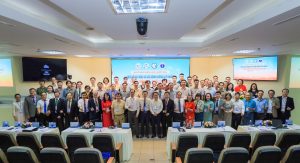
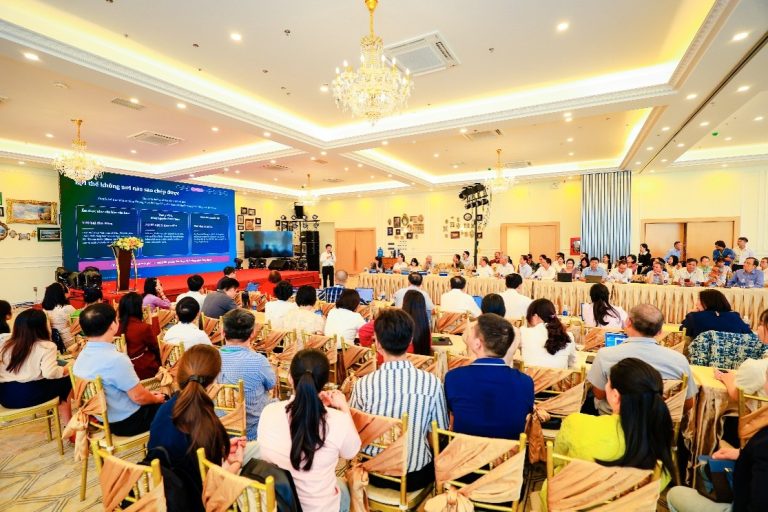 Overview of the conference.
- Practical Context: Shifting from Pure Production to a Multi-Value Agricultural Economy
Amid global climate change, shifting supply chains, and rising demand for green consumption, agricultural development in Vietnam, and particularly in the Central and Central Highlands regions, stands at a strategic turning point. The sector is transitioning from pure agricultural production toward a multi-value agricultural economy, where farming is closely integrated with processing industries, trade, and tourism services.
In his opening remarks, Dr. Ho Dac Thai Hoang, President of HUSTA and Head of the Organizing Committee, emphasized that local specialty agricultural products serve as the core link connecting value chains from fields and farms to cultural heritage tourism, ecotourism, and community-based tourism. Scientific and sustainable utilization of indigenous resources not only enhances added value and market competitiveness, but also preserves traditional knowledge, diversifies livelihoods, and lays a foundation for sustainable local development.
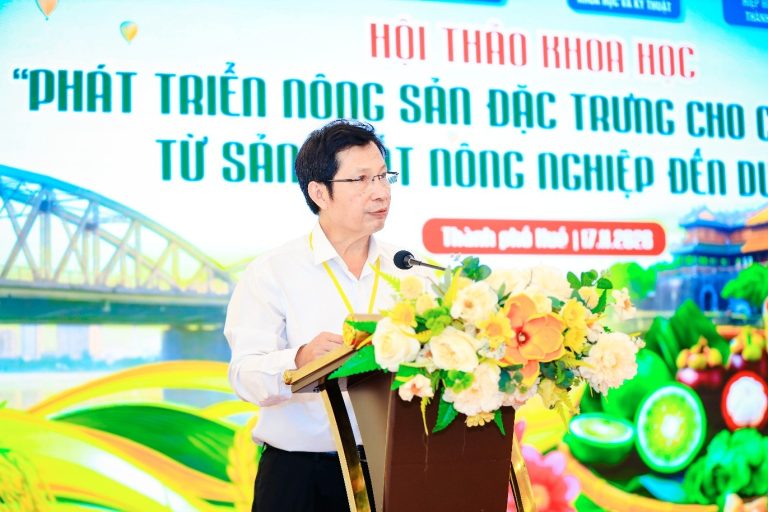
Dr. Ho Dac Thai Hoang delivers the opening speech at the workshop.
- Research Scope and Workshop Structure: A Multidimensional, In-Depth Academic Forum
The workshop recorded strong scholarly contributions with 38 detailed papers from over 100 authors and co-authors. Participation from leading research institutions, such as the Mekong Delta Rice Research Institute (CLRRI), the International Rice Research Institute (IRRI), the Institute of Forestry and Sustainable Development (Thai Nguyen University), the Institute of Biotechnology (Hue University), and the Da Nang Institute for Socio-Economic Development, alongside prestigious domestic and international universities including the University of Agriculture and Forestry (Hue University), School of Hospitality and Tourism (Hue University), University of Economics (The University of Danang), Dong A University, Tay Nguyen University, Ritsumeikan University (Japan), Ghent University (Belgium), and Mahasarakham University (Thailand), as well as businesses and cooperatives like Hue Viet Organic Co., Baka Farm Gia Lai, Ecohost, Bao La Cooperative, and Hoa Bac Cooperative.
The program was structured into a plenary session and two parallel thematic sessions:
- Session 1 – Opening and Plenary Session: Focused on theoretical frameworks, scientific foundations, macroeconomic assessments, and policy directions for integrating agriculture with tourism.
- Session 2: Resource management, science and technology applications, and commercialization of specialty agricultural products in climate-resilient agro-tourism value chains.
- Session 3: Transforming specialty agricultural products into tourism offerings, agro-tourism linkage models, and community development.
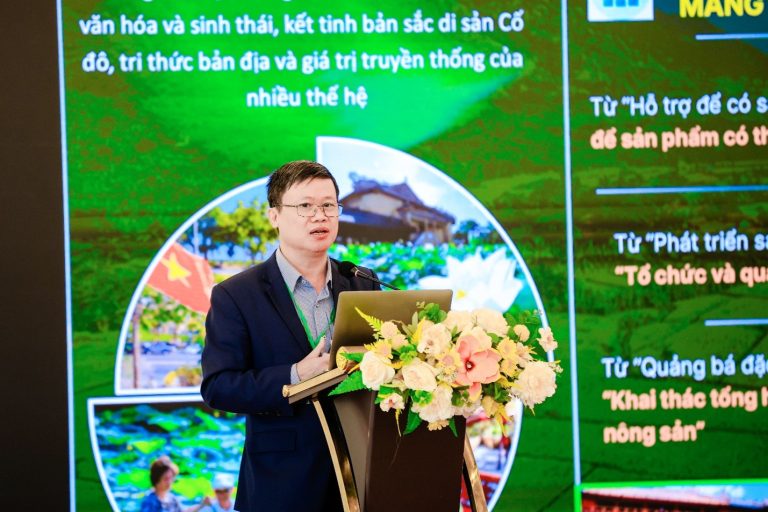
Dr. Ho Thang presents his paper at the conference.
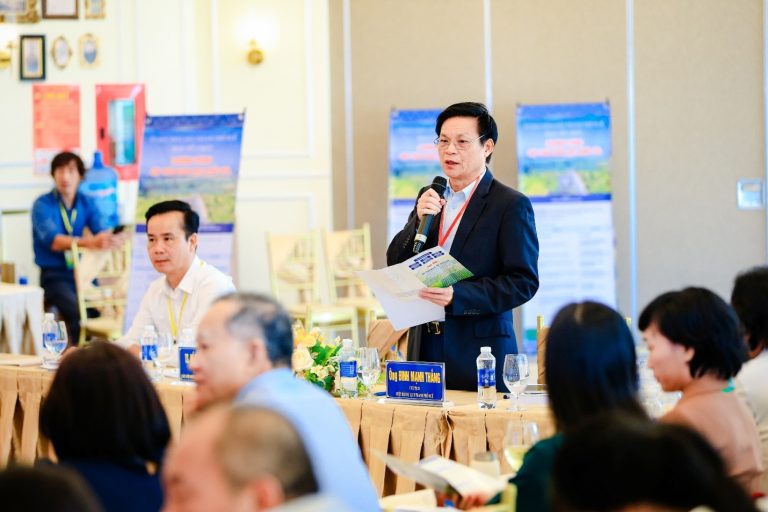
Mr. Dinh Manh Thang speaks at the conference.
- Three Key Orientations to Advance the Agro-Tourism Value Chain
Based on the submitted papers and discussions, delegates proposed three major strategic orientations for developing the agro-tourism value chain in the coming period:
First, perfecting institutions, building brands, and strengthening linkages among value chain stakeholders.
Several studies analyzed international models for developing specialty local products, most notably Japan’s One Village One Product (OVOP) and Thailand’s One Tambon One Product (OTOP), offering insights for advancing Vietnam’s OCOP program in connection with indigenous knowledge and tourism. Presentations also underscored the importance of geographical indication protection, collective trademarks, and branding for Hue’s signature products, such as Thanh Tra pomelo and heritage medicinal herbs.
In addition, refining policies to incentivize sustainable farming, strengthening cooperative governance, and activating the “four-house” linkage model (State – Scientists – Businesses – Farmers) were identified as critical conditions for building stable, efficient, and competitive value chains. The role of intellectuals, particularly women intellectuals, in connecting knowledge and driving innovation was also highlighted as a vital resource to leverage.
Second, accelerating science and technology adoption, digital transformation, and experiential tourism innovation.
The papers introduced numerous practical solutions ready for production and product development. Highlights included crop genetic resource conservation through the “CucurbitVerse” model combining germplasm preservation with educational tourism; in-vitro propagation technology for FSC-certified cajuput (Melaleuca cajuputi); and the use of molecular markers in breeding high-quality A Luoi yellow cattle.
In processing and value addition, studies proposed developing Chan May – Lang Co cajuput essential oil linked with wellness tourism; harnessing Tinh Tam Lake white lotus under a circular agriculture model to create lotus tea, specialty foods, and souvenirs; and advancing deep-processing technologies to elevate the value of Vietnamese coconuts.
Notably, applying geospatial data (GIS/WebGIS), remote sensing, IoT, artificial intelligence (AI), and QR codes in production management, quality control, and traceability was identified as a key priority. Issuing “digital passports” for product batches will enhance transparency, build consumer trust, and enable specialty agricultural products to integrate more deeply into tourism supply chains.
Another prominent theme was designing experiential tourism models that blend agricultural products, traditional craft villages, landscapes, and community culture. Case studies on agritourism in Phuoc Tich Ancient Village, experiential tours at Bao La Rattan and Bamboo Cooperative, the Tinh Tam Lake Lotus Cultural Space, the Phong Dinh grey sedge (co bang) supply chain, A Luoi specialty honey and coffee, Co Tu community-based educational tourism at Hoa Bac Cooperative (Da Nang), and Truong Son upland rice demonstrated strong potential for diversifying tourism offerings, especially in rural, mountainous, and ethnic minority areas.
Third, promoting circular agriculture, emissions reduction, and sustainable resource use.
Climate change adaptation and ecological protection served as recurring themes across many presentations. Researchers introduced a circular rice–straw model combined with mechanized composting to curb greenhouse gas emissions; a three-loop biosecure livestock farming process using probiotics as antibiotic alternatives; and a “Net Zero Tour” model linking agriculture, tourism, and environmental conservation.
In forestry, cultivating medicinal plants and non-timber forest products under forest canopies was proposed to diversify livelihoods, enhance ecosystem value, and reduce reliance on acacia and eucalyptus monocultures. Studies on drought-tolerant peanut varieties (TL03 and TL04) and a proposed Cultural–Herbal Axis for Hue City also opened fresh pathways for combining ecological resources, traditional medicine knowledge, and tourism development. Together, these findings show that agro-tourism must balance economic efficiency, resource conservation, emissions reduction, and the preservation of local cultural and ecological values.
- Conclusion
The scientific conference “Developing Specialty Agricultural Products for the Value Chain from Agricultural Production to Tourism” established a meaningful academic and practical forum bringing together researchers, experts, managers, and business leaders. The papers and discussions provided valuable scientific evidence, practical lessons, and policy recommendations to guide local policymaking and implementation.
The overarching message of the conference was the need to move beyond fragmented production and consumption toward an integrated value chain approach, where agriculture, processing, trade, tourism, culture, and environmental protection reinforce one another. Specialty agricultural products are not merely commercial goods, but conduits connecting ecological values, cultural heritage, indigenous knowledge, and community experiences.
For Hue City, this approach holds strong promise for leveraging its cultural heritage, ecological landscapes, traditional craft villages, agricultural resources, and community identity. Linking these assets with science, technology, innovation, and digital transformation will help create deeper tourism experiences, elevate the value of local farm produce, and expand livelihood opportunities for residents.
The conference’s outcomes will be compiled into a summary report submitted to the Hue City People’s Committee and relevant departments and agencies to serve as a reference for formulating and implementing future development policies.
Translated by Thuy Tien