
Author: Thuy Tien
Photos: Ho Ngoc Anh Tuan
On June 21, at the University of Medicine and Pharmacy, Hue University, Hue Union of Science and Technology Associations, in collaboration with relevant units including the Department of Health, the Department of Science and Technology, Hue Central Hospital, the University of Medicine and Pharmacy – Hue University, the Public Health and Preventive Medicine Association, and the Infectious Diseases Association of Hue City, organized a national scientific conference titled: “Infectious Diseases in the Context of Climate Change: Challenges and Solutions.”
The conference brought together delegates from provincial and municipal Centers for Disease Control (CDCs), health departments and agencies, universities, and scientists from academic institutions, research centers, and specialized organizations nationwide.
The conference topic arises amid the pressing challenges that climate change poses to human health, especially the increasing prevalence of infectious and emerging diseases. It aimed to raise awareness, promote coordinated action, and expand interdisciplinary collaboration networks to protect public health against the escalating impacts of climate change and related diseases.
This large-scale and reputable academic forum addressed urgent public health issues in a rapidly changing and complex climate landscape. It provided a platform for scientists to share research findings and practical experiences, and propose solutions for the monitoring, preventing, and controlling infectious diseases in the context of climate change.

Conference participants
According to Dr. Ho Dac Thai Hoang, Chairman of Hue Union of Science and Technology Associations, Head of the Conference Organizing Committee, the global rise in temperatures, extreme weather events, and ecosystem changes are facilitating the emergence, development, and spread of infectious diseases, particularly zoonoses and vector-borne diseases. Climate change not only accelerates the transmission of diseases like dengue fever and hand-foot-and-mouth disease but also increases the prevalence of non-communicable diseases such as cardiovascular, respiratory, and mental health disorders.
Dr. Hoang emphasized the importance of the “One Health” approach – a comprehensive, effective strategy requiring cross-sectoral collaboration to address health challenges involving humans, animals, and the environment. This approach highlights the inseparable interconnection between human, animal, and environmental health. In Vietnam, this model is recognized as an essential strategy to prevent nearly 100 zoonotic diseases, primarily as climate change directly affects food security, the environment, and water resources.

Dr. Ho Dac Thai Hoang – Chairman of Hue Union of Science and Technology Associations, Head of the Conference Organizing Committee, speaking at the conference
The conference attracted nearly 70 scientists, with 46 thematic presentations and 23 poster sessions, reflecting high interest from scientists, researchers, and policymakers. Key activities included:
- 2 plenary sessions with eight keynote presentations on climate change and public health, emerging infectious diseases, and the One Health approach.
- 6 parallel thematic sessions featuring 38 presentations covering:
- The rise of infectious diseases due to climate change.
- Emerging and re-emerging infectious diseases.
- Nutrition in food security and infection prevention, emphasizing the role of nutrition in strengthening immunity, particularly in food-insecure contexts.
- The One Health approach in preventing zoonotic diseases.
- Vaccine usage issues.
- The health system’s response to infectious diseases, including discussions on strategies to mitigate the re-emergence of infectious diseases, enhance disease surveillance systems, and improve health system adaptability to climate change.
- 23 poster presentations delivered by professors, researchers, and health and environmental sciences experts.
With high-quality scientific reports from leading experts in various medical and environmental fields and in-depth discussions, the conference introduced new insights and practical, innovative solutions. It also reinforced interdisciplinary cooperation among domestic and international organizations and professionals. This is a solid foundation for building effective strategies to protect public health amid increasingly complex climate challenges.
The conference’s outcomes are expected to drive the development of scientific research networks, foster knowledge exchange under the One Health approach, and connect scientists, students, and experts across ASEAN and beyond, contributing to sustainable resilience against extreme climate impacts.
Some images from the conference:

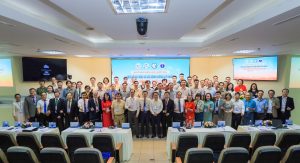
Delegates are taking commemorative photos


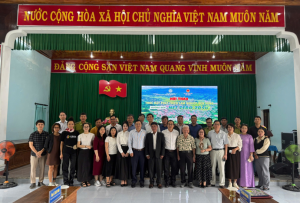
Presenters at the sessions


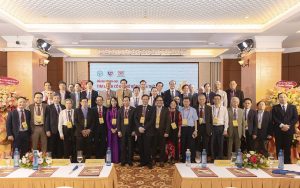
Certificate presentation to session chairs and speakers