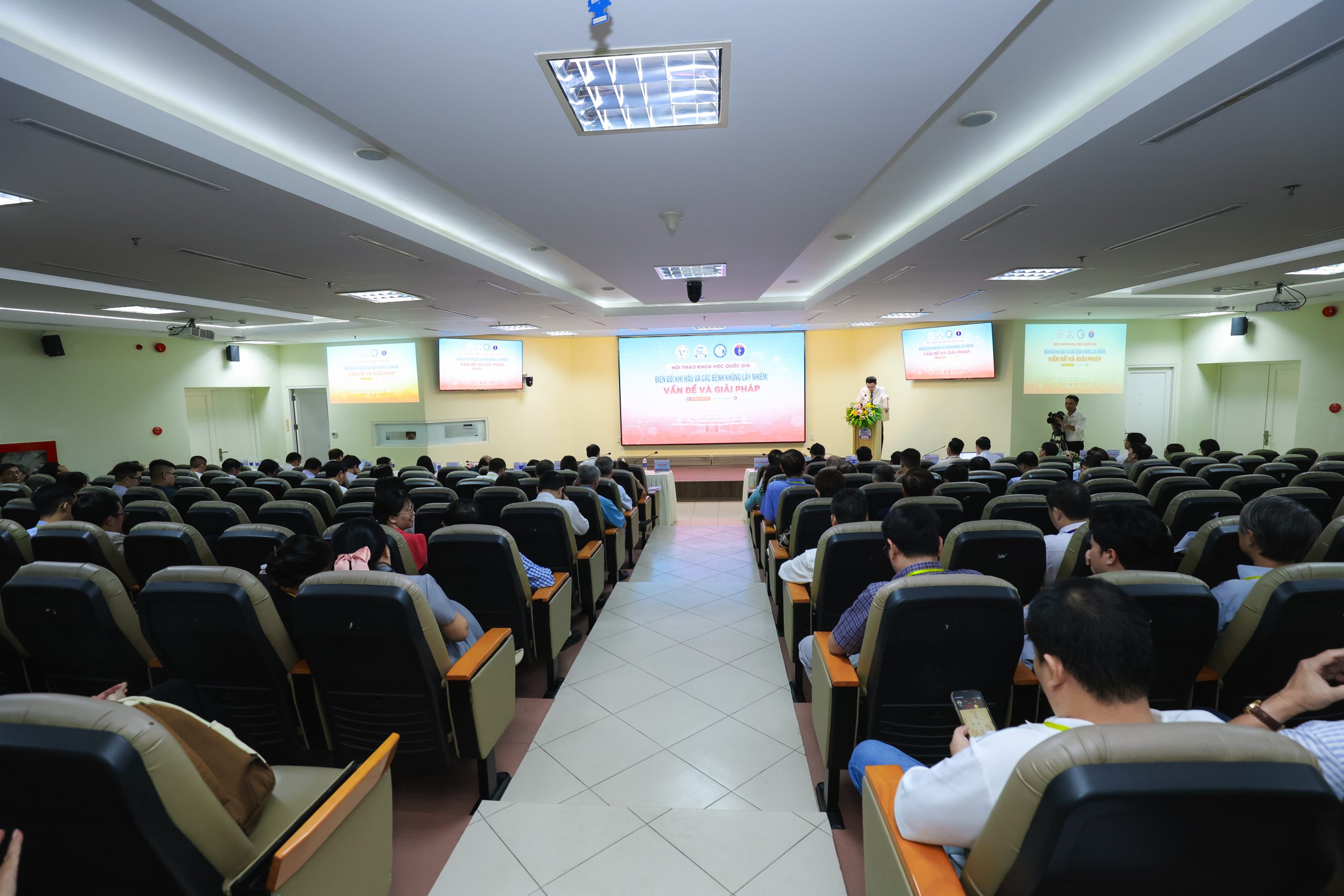
On the morning of August 29, at the Training Center of Hue Central Hospital, the Union of Science and Technology Associations of Hue City, in coordination with the Department of Health, Hue Central Hospital, the University of Medicine and Pharmacy, Hue University, and relevant organizations, organized a national scientific conference on the theme “Climate Change and Non-Communicable Diseases: Challenges and Solutions”.
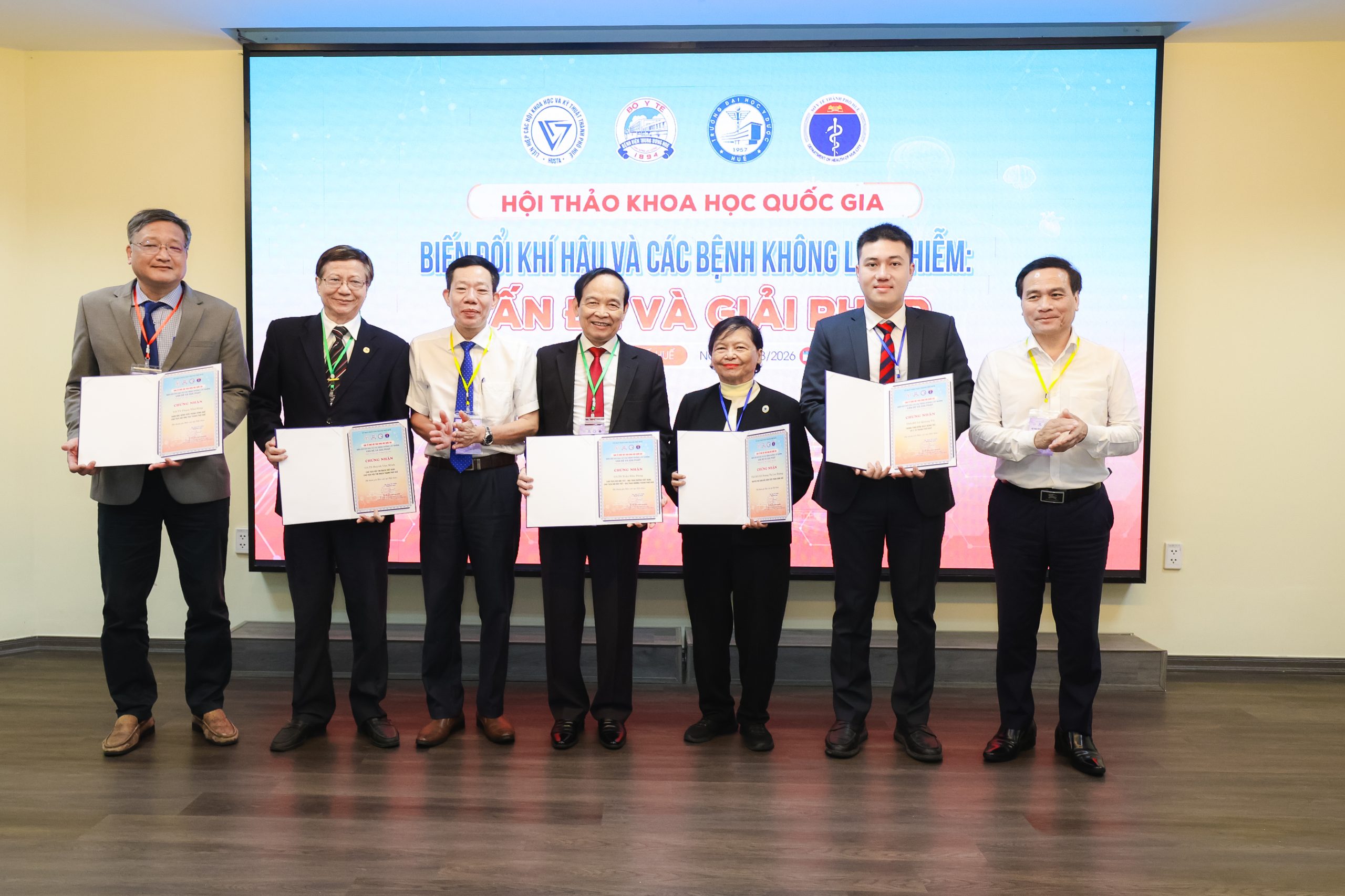
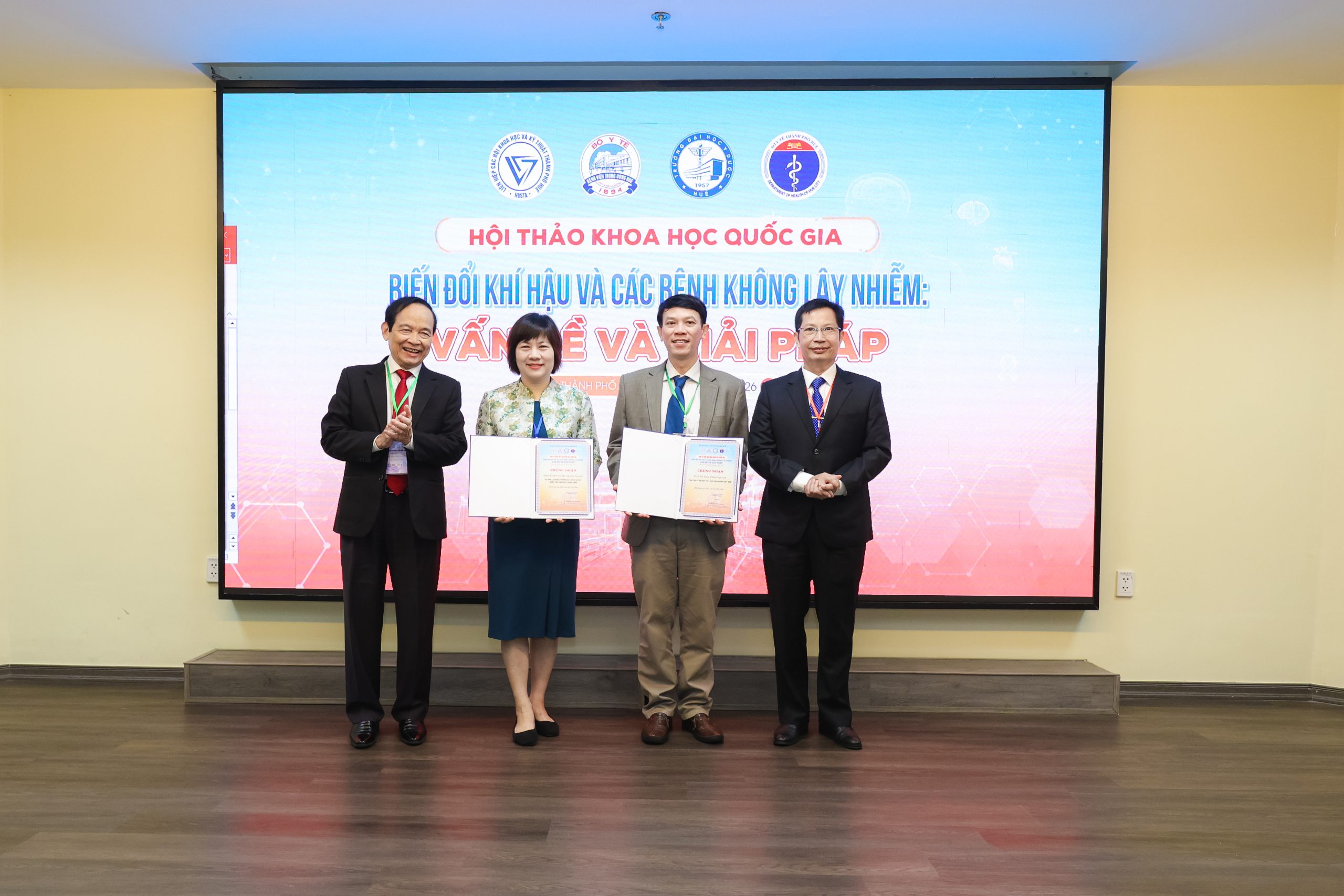
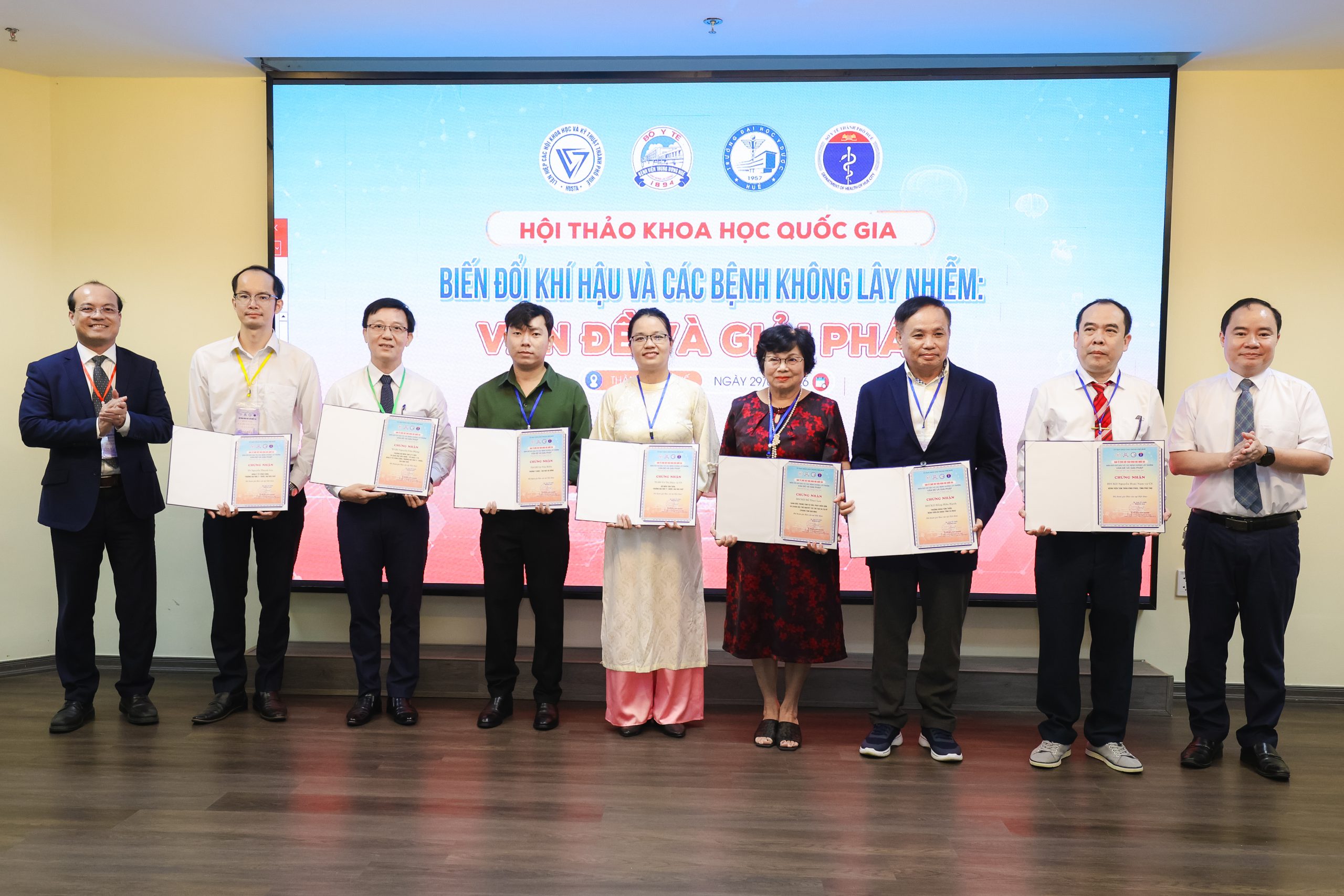
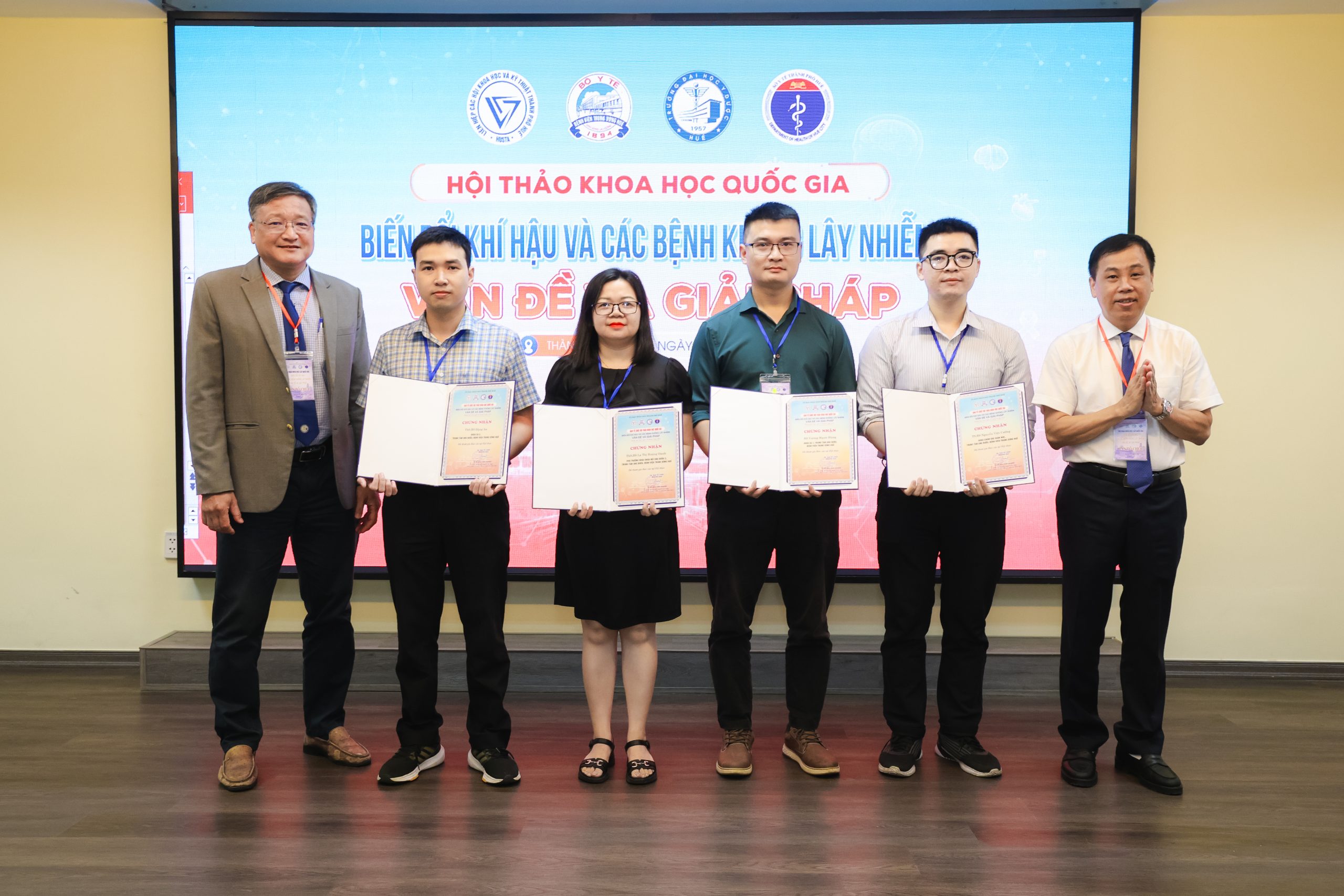
Certificates were presented to speakers participating in the conference.
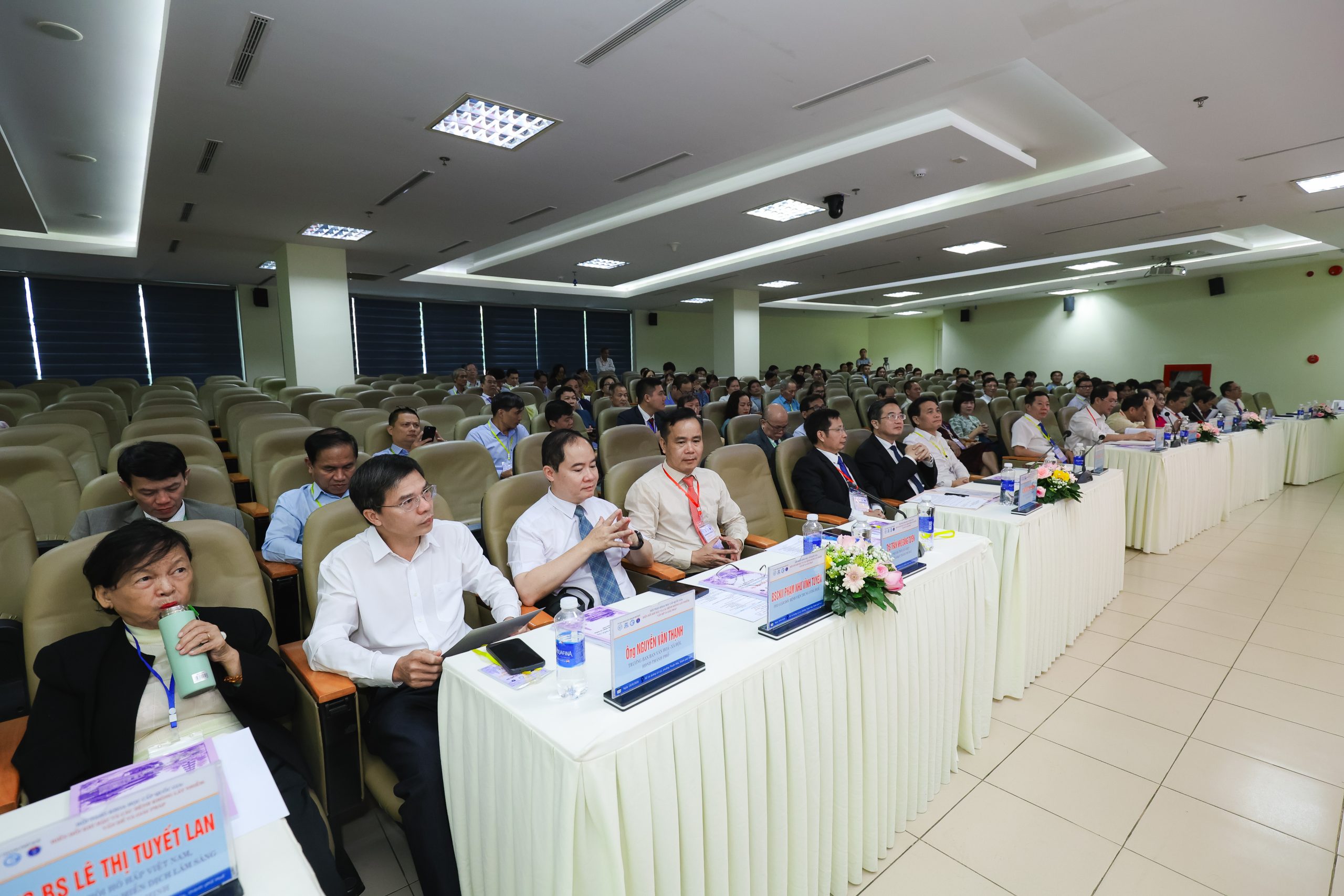
The conference was attended by Mr. Ha Van Tuan, Vice Chairman of the People’s Committee of Hue City; Assoc. Prof. Dr. Pham Ngoc Linh, Vice President of the Vietnam Union of Science and Technology Associations; representatives of various departments and agencies; as well as scientists, experts, physicians, and health and environmental professionals from across the country.
According to the Organizing Committee, climate change is having an increasingly significant impact on human health. Extreme weather events are becoming more frequent and severe, while heatwaves, storms and floods, and air pollution are increasing health risks, particularly in vulnerable areas such as Central Vietnam. At the same time, non-communicable diseases (NCDs), including cardiovascular diseases, cancer, chronic respiratory diseases, and diabetes, are placing a significant burden on public health.
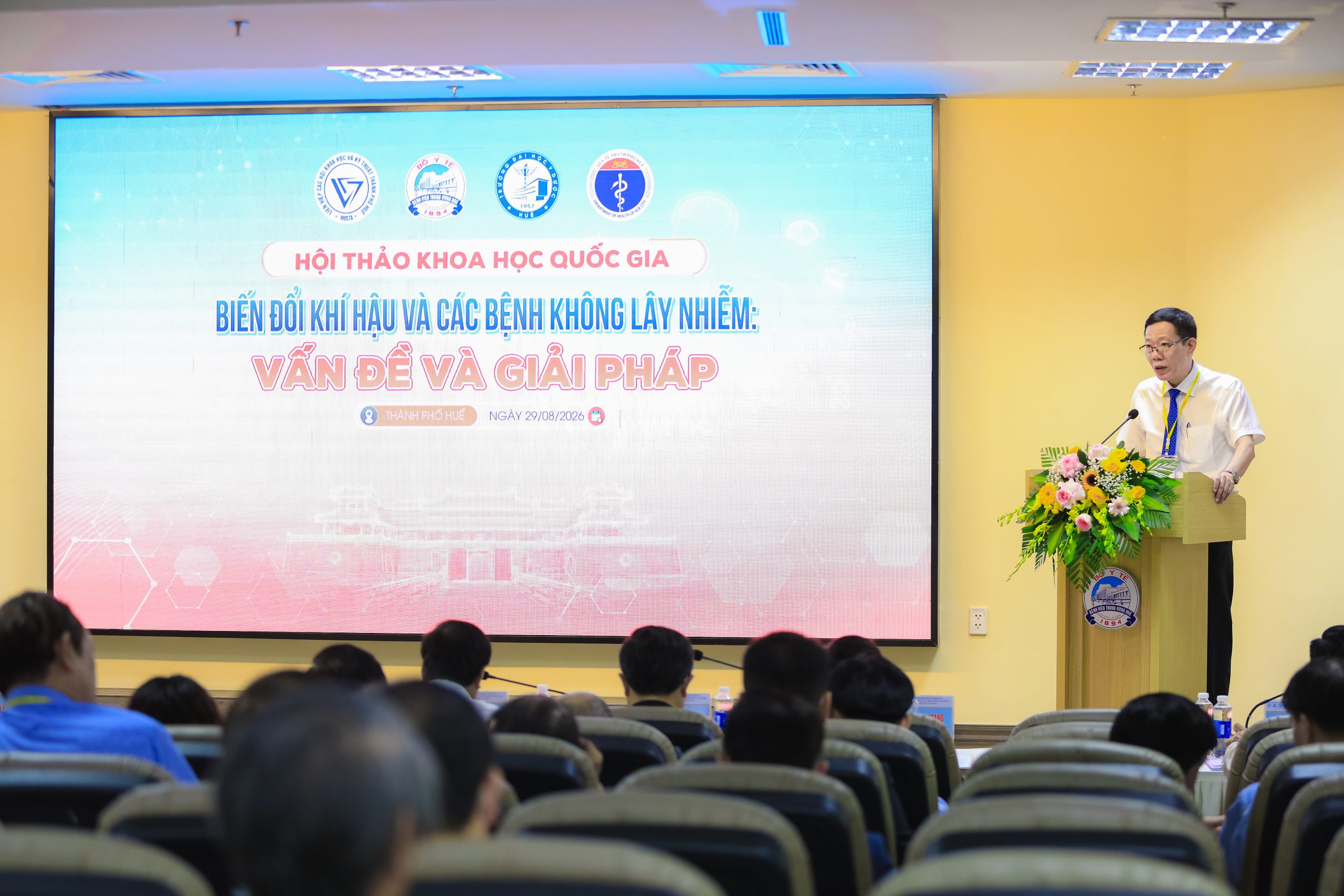
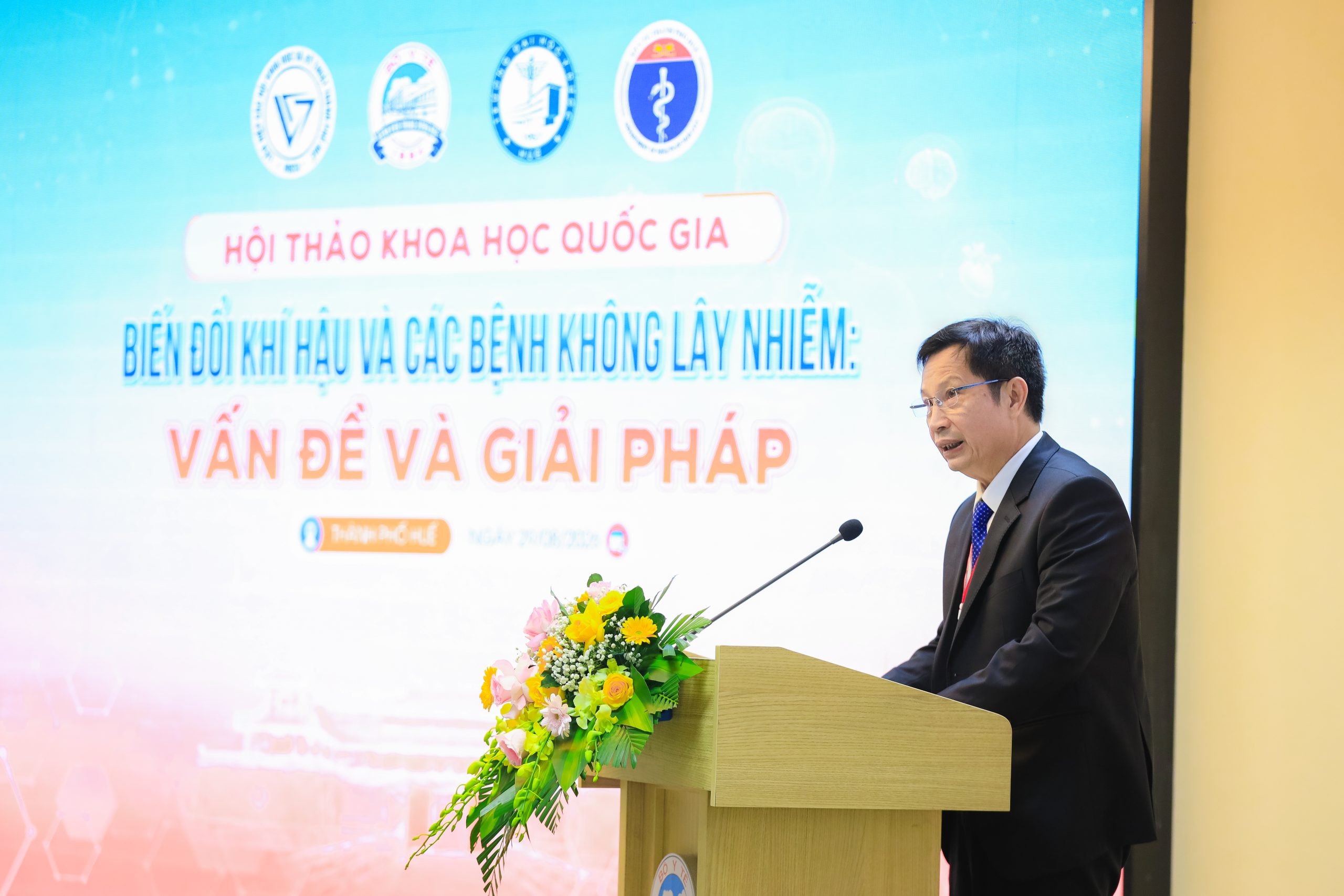
Mr. Ha Van Tuan, Vice Chairman of the People’s Committee of Hue City gave a speech at the conference.
In his remarks at the conference, Mr. Ha Van Tuan, Vice Chairman of the People’s Committee of Hue City, emphasized that climate change is having increasingly visible impacts on the living environment and public health, while NCDs remain a major challenge for the healthcare system. He noted that the conference has significant scientific and practical value for health management, contributing evidence and feasible solutions to the implementation of Resolution No. 72-NQ/TW of the Politburo on strengthening the protection, care, and improvement of people’s health.
For Hue City, the Vice Chairman highlighted the practical importance of the relationship between climate change and health. The city has diverse natural landscapes, ranging from the mountainous areas in the west and urban areas to the Tam Giang – Cau Hai lagoon system and coastal areas. At the same time, Hue regularly needs to prepare for and respond to natural disasters and extreme weather events.
Therefore, climate change adaptation should not be viewed solely as a matter of planning, infrastructure, or environmental protection. It must also be closely linked to protecting public health, improving quality of life, and strengthening community resilience.
Vice Chairman Ha Van Tuan highly appreciated the conference’s interdisciplinary approach, which connects specialized areas such as oncology, cardiology, endocrinology and metabolism, respiratory medicine, geriatrics, and mental health with climate and environmental issues. Accordingly, the research findings presented at the conference provide valuable insights for medical practice and a strong evidence base for local policymaking and health policy implementation.
Hue City has favorable conditions to further promote this approach, with Hue Central Hospital, the University of Medicine and Pharmacy of Hue University, the city’s healthcare system, and a strong network of experienced scientists, experts, and medical professionals. The city aims to further strengthen the connection between research, education and training, specialized medical care, preventive medicine, and primary healthcare, thereby translating valuable research findings into practical improvements in healthcare for local residents.
In particular, in 2026, Hue City is implementing annual health check-ups or free screening programs for residents, with the goal of ensuring that 100% of residents receive a health check-up at least once a year and that their health information is gradually integrated into the Electronic Health Record. This initiative provides an important foundation for developing a proactive, continuous, and data-driven approach to health management.
Through the conference, Hue City hopes to gain additional scientific evidence and practical recommendations that are appropriate to local conditions, particularly solutions for early identification of high-risk populations, maintaining care for people with chronic diseases during natural disasters, strengthening the capacity of grassroots healthcare services, and gradually integrating climate and environmental data with health data to support early warning, prevention, and timely intervention.
Vice Chairman Ha Van Tuan affirmed that Hue City is ready to cooperate with central agencies, hospitals, universities, scientific organizations, and experts to study, select, and implement appropriate models. These efforts aim to translate research findings into policymaking, healthcare delivery, and measures to strengthen the community’s capacity to adapt to the impacts of climate change.
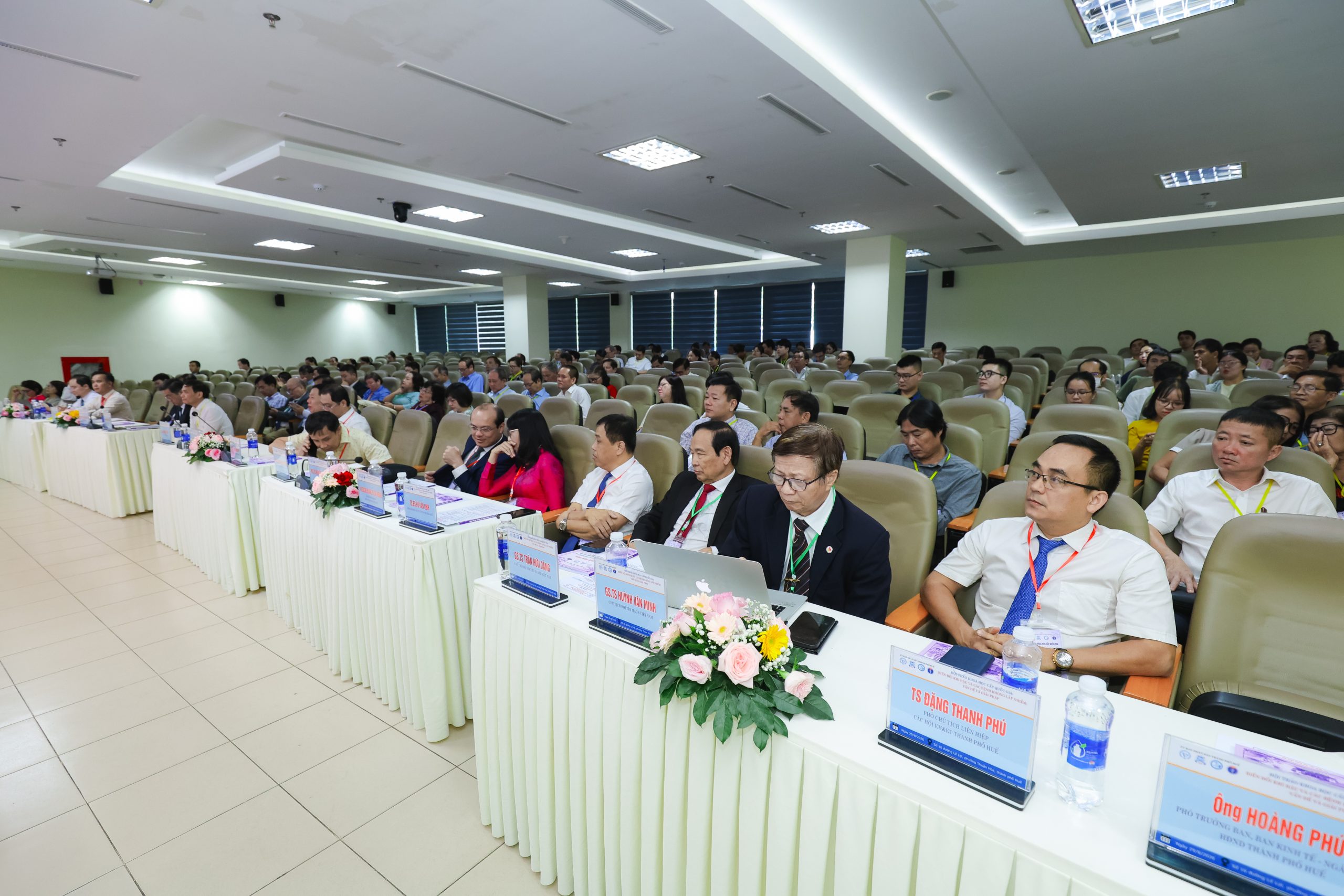
The conference attracted more than 60 scientists, with 33 research presentations delivered during the plenary session and five thematic sessions. The presentations examined scientific evidence at the global, Asian, Vietnamese, and Hue City levels. They also focused on respiratory diseases and risk factors associated with air pollution; cardiovascular diseases and circulatory disorders affected by environmental and climatic conditions; endocrine disorders, diabetes, metabolic diseases, and geriatric health; the impacts of environmental and climatic factors on cancer; as well as public health, mental health, and community resilience to climate change.
The discussions focused on disease mechanisms, epidemiological data, the identification of vulnerable groups, and adaptive healthcare models. Notably, the participating scientists agreed on a common six-step response framework, beginning with early warning based on the integration of meteorological data, followed by patient risk stratification, individualized care planning during extreme weather events, ensuring the continuity of medication supplies, proactive communication with high-risk groups, and post-disaster recovery of healthcare services.
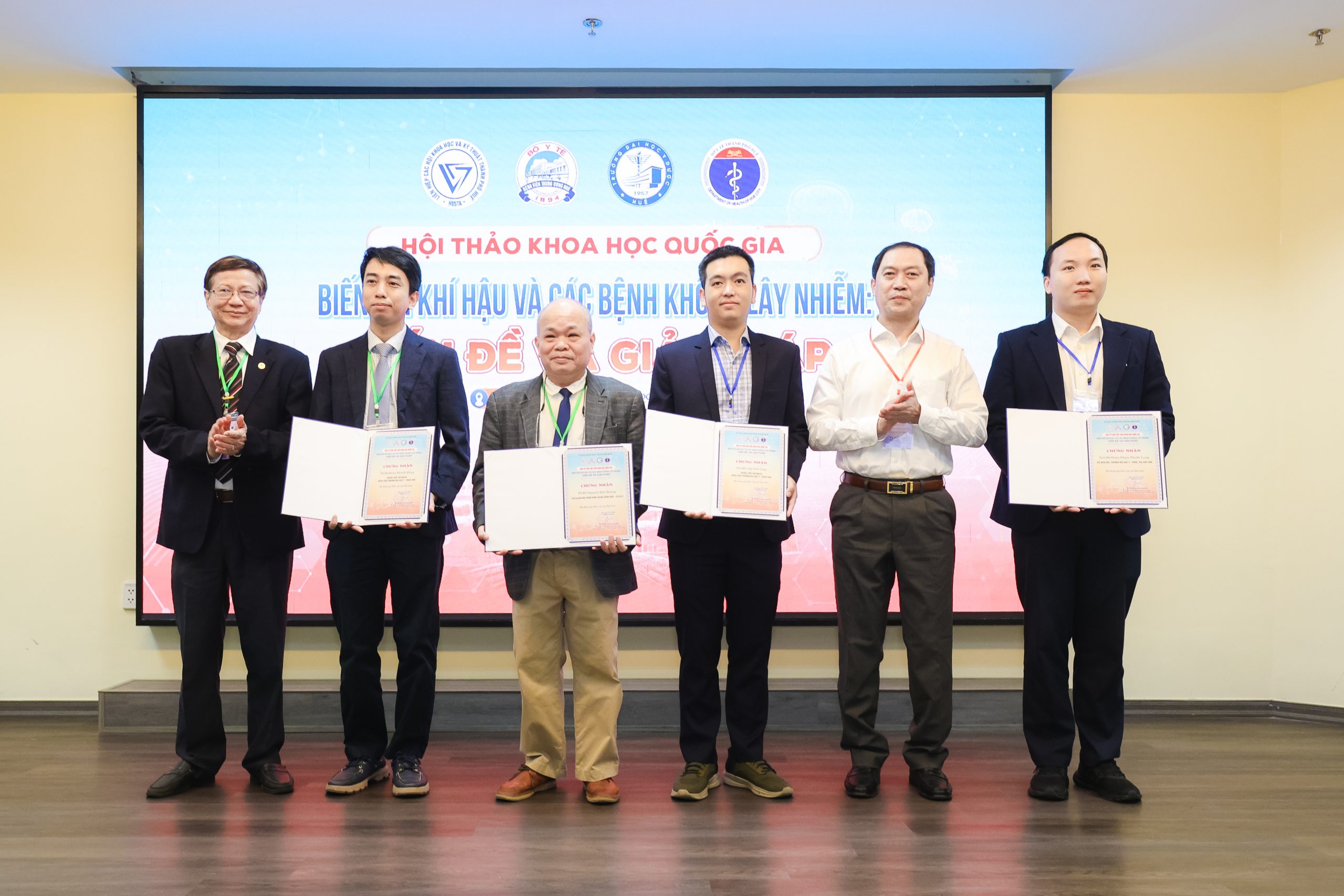
Certificates were presented to speakers participating in the conference.
The conference served as a meaningful scientific forum for raising awareness, strengthening cross-sectoral cooperation, and expanding networks for research, disease prevention, and healthcare.
It also contributed to turning scientific knowledge into concrete action, helping people -particularly older adults, people living with chronic diseases, and other vulnerable groups – become better prepared to protect their health against the increasingly visible impacts of climate change.
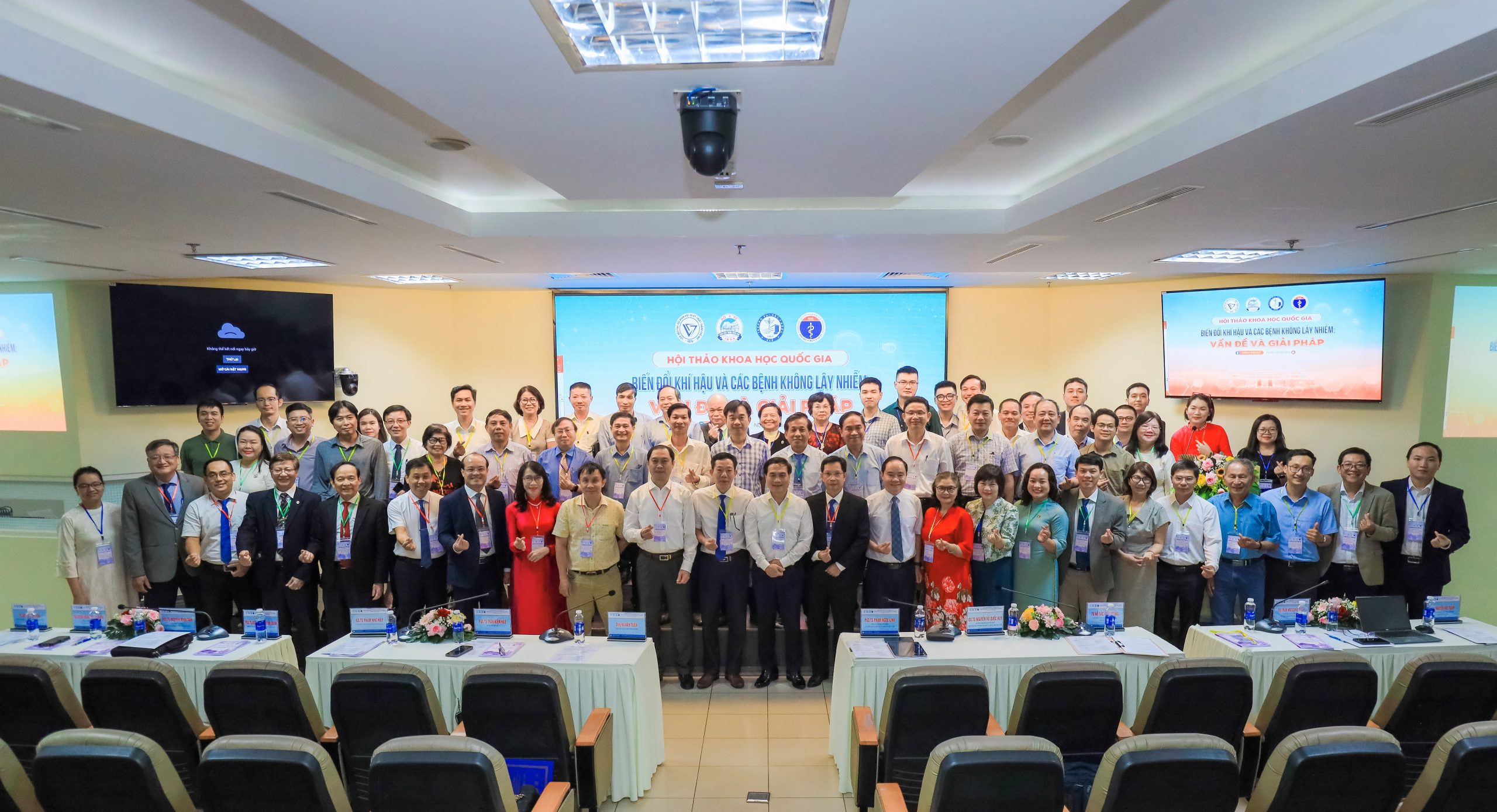
Delegates took a group photo at the conference.
By Thuy Tien
Photo: Ho Ngoc Anh Tuan
Other photos at the conference: